
Wewe Ni Mnoma: Walking Together for Youth Mental Health in Kenya
Mental health is no longer invisible in Kenya. During Mental Health Awareness Month, thousands walked from Nairobi's city center into Karura Forest carrying a single message: Wewe ni Mnoma—You matter. Discover how this grassroots campaign is breaking stigma, sparking real conversations, and proving that addressing Kenya's youth mental health crisis is everyone's responsibility.
Mental health is no longer a silent issue in Kenya. Across the country, thousands of young people are navigating anxiety, depression, substance use disorders, academic pressure, unemployment, social isolation, and the constant demands of an increasingly connected world. Yet, despite these growing challenges, stigma continues to prevent many from seeking the support they need.
The urgency of addressing youth mental health in Kenya is reflected not only in the stories we hear but also in the evidence. According to the Kenya National Adolescent Mental Health Survey (2022), approximately one in four adolescents (around 26%) screened positive for symptoms of depression, while about one in three (around 31%) reported symptoms of anxiety. The World Health Organisation (WHO) estimates that one in every eight people globally lives with a mental health condition, with many disorders beginning during adolescence. Suicide also remains a significant public health concern, particularly among young people, underscoring the importance of early intervention, access to quality mental health services, and supportive communities. Behind every percentage is a young person with dreams, aspirations, and a story that deserves to be heard. These statistics are not merely numbers—they represent classmates, friends, siblings, colleagues, and neighbours who may be silently struggling while hoping someone will notice and reach out.
The Wewe Ni Mnoma Campaign was created to challenge that silence with one simple but powerful message: You matter. You are enough. You are important.
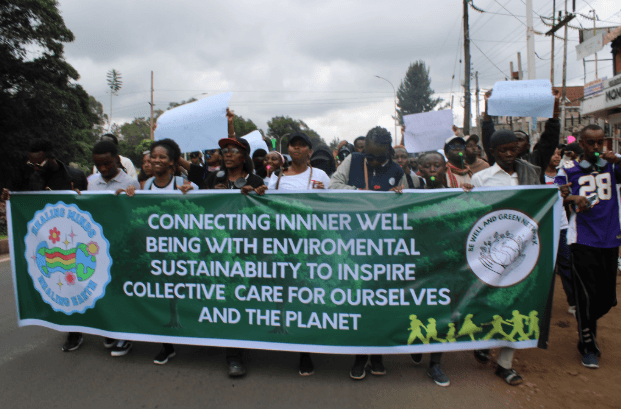
As part of Mental Health Awareness Month, young people, mental health advocates, civil society organisations, community leaders, and partners came together for a symbolic mental health walk from Nairobi CBD to Karura Forest. The journey was more than a walk—it was a public declaration that mental health deserves the same attention, compassion, and investment as physical health. Participants were escorted through the city before continuing into the peaceful surroundings of Karura Forest, where conversations on healing, resilience, and hope continued in a safe and supportive environment.
Why This Walk Mattered
For many young Kenyans, mental health struggles are often invisible. A smile can hide depression, success can mask anxiety, and silence can conceal emotional pain. Far too many young people suffer alone because they fear being misunderstood or judged.
The Wewe Ni Mnoma Campaign sought to change this narrative by creating a space where conversations about mental health were welcomed rather than avoided. Every step taken represented solidarity with those facing mental health challenges and reminded participants that no one should have to walk their journey alone.
Walking together also highlighted the strong connection between physical activity, nature, and mental well-being. Spending time outdoors, engaging in meaningful conversations, and building supportive relationships can positively contribute to emotional wellness and resilience.
From Awareness to Action
The campaign was not only about raising awareness—it was about inspiring action.
Throughout the event, participants engaged in discussions about:
- Breaking the stigma surrounding mental illness.
- Encouraging young people to seek professional help when needed.
- Building supportive peer networks.
- Promoting self-care and emotional resilience.
- Recognising that mental health is a shared responsibility involving families, schools, workplaces, communities, and government.
These conversations reminded us that mental health is not a personal weakness. It is a fundamental part of overall health and well-being.
A Collective Responsibility
Addressing Kenya's youth mental health crisis requires collaboration. Government institutions, healthcare providers, educational institutions, employers, civil society organisations, faith communities, families, and young people themselves all have a role to play in creating environments where mental well-being is protected and prioritised.
Campaigns like Wewe Ni Mnoma demonstrate the power of collective action. By bringing people together in public spaces, we normalise conversations about mental health and show that seeking help is a sign of strength, not weakness.
Moving Forward
The walk from Nairobi CBD to Karura Forest marked another important step toward building a Kenya where every young person feels seen, heard, and supported.
At Be Well and Green Network, we remain committed to advancing mental health awareness through advocacy, education, community engagement, and partnerships that empower young people to thrive.
The journey does not end with one walk. It continues every time we choose compassion over judgment, conversation over silence, and hope over stigma.
Because every young person deserves the opportunity to say with confidence:
Wewe ni Mnoma. You matter. Your story matters. Your mental health matters.