
How Mental Health Became a Climate Action Priority: Be Well and Green Network's Debut at SB6
Be Well, and Green Network made waves at the Bonn Climate Conference by centring mental health and psychosocial wellbeing in global climate negotiations. Here's how a young Nairobi-based organisation is reshaping the climate agenda.
When Climate Anxiety Becomes Climate Action
Imagine stepping into the World Conference Centre in Bonn for the first time as a representative of your organisation - and your mission is to convince the world's climate negotiators that mental health matters.
That's exactly what Be Well and Green Network did in June 2026.
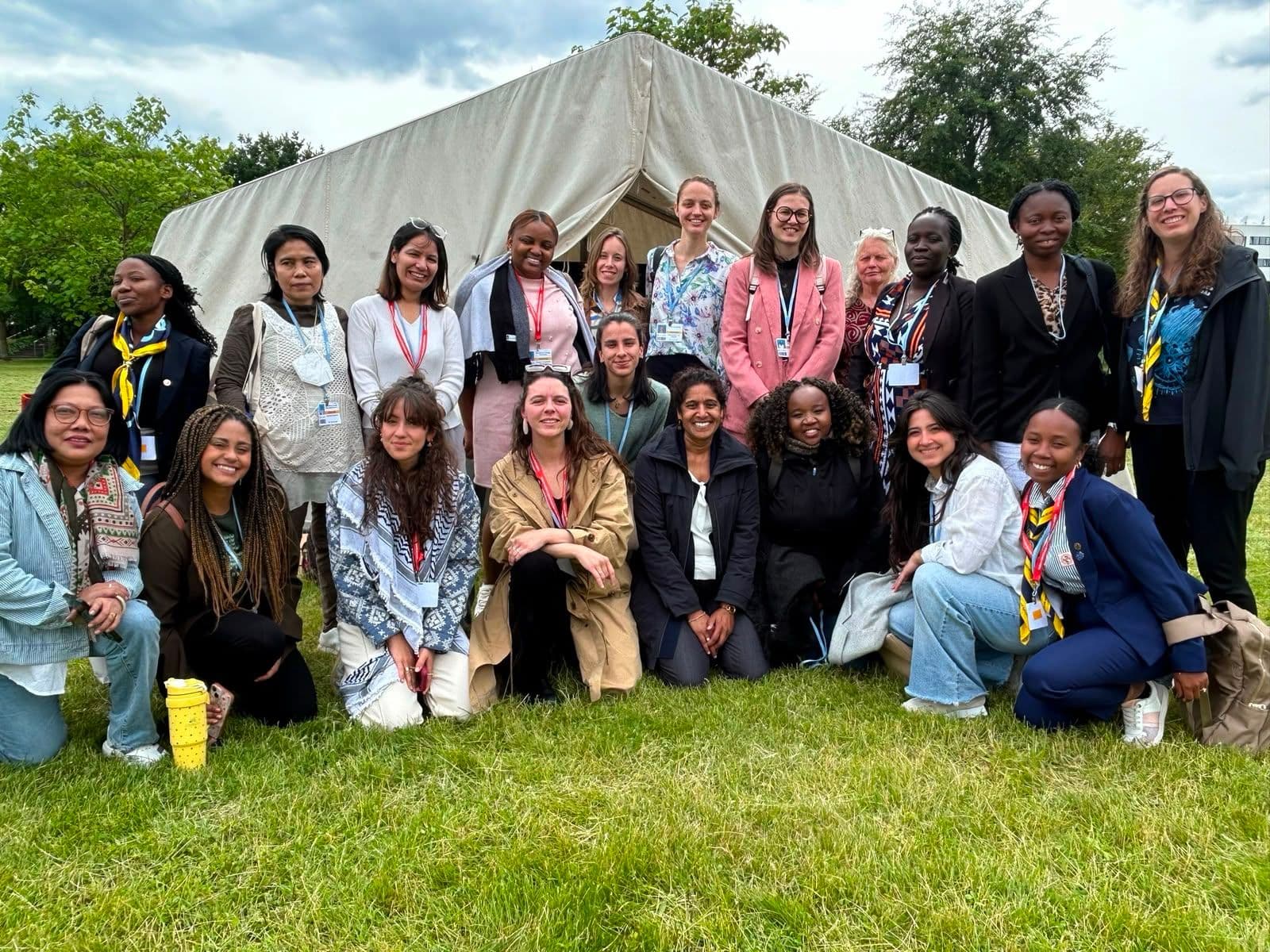
While delegates debated emissions reductions and carbon markets in the formal UNFCCC sessions, we were in climate tents, side rooms, and informal gatherings, asking a deceptively simple question: What happens to our minds when we're fighting for our planet?
From Nairobi to the Global Stage
It's been one year since Be Well and Green Network registered as an organisation. One year of building programs, forging partnerships, and establishing five foundational pillars: Environmental Sustainability, Mental Health, Gender Equality, Agriculture, and Substance Abuse. Our flagship Healing Minds, Healing Earth campaign articulates something the climate movement has largely ignored: the psychological toll of climate change is as real as the physical one.
But preaching to the converted isn't change. Real change happens where decisions get made.
That's why SB64—the Sixty-Fourth Sessions of the Subsidiary Bodies of the UNFCCC—mattered so much. While COPs grab the headlines, these technical sessions are where the nitty-gritty happens. This is where negotiators draft the text that eventually becomes policy. This is where you have to make your case before the politics harden.
What We Tracked—And Why
At SB64, we focused on four critical areas:
1. Action for Climate Empowerment (ACE)
Climate education can't just be about carbon footprints and renewable energy. We argued - and found resonance - that climate education must address the psychological impacts of climate change: building resilience, fostering climate hope, and equipping young people with tools for emotional wellbeing alongside environmental action. Making climate participation meaningful for youth, women, Indigenous Peoples, and marginalised communities requires meeting them where they are - emotionally and psychologically.
2. Gender and Mental Health
Here's something we kept hammering on: climate disasters don't hit everyone equally. When displacement, livelihood loss, and environmental stress compound existing vulnerabilities, women and girls bear disproportionate psychological burdens. Gender-responsive climate policy and mental health-informed policy aren't separate agendas—they're the same conversation. You can't address one without the other.
3. Nationally Determined Contributions (NDCs)
Countries are submitting their climate commitments post-Global Stocktake, but many are still treating health and wellbeing as peripheral. We pushed for Kenya—and, by extension, other nations to recognise that people-centred climate policies aren't a luxury. They're foundational to building resilient communities.
4. Youth Leadership Across COP Presidencies
Connecting with the youth representatives from three consecutive COPs (Azerbaijan, Brazil, and Türkiye) was one of the most energising moments. Young people aren't asking for a seat at the table anymore. They're demanding it—and they're demanding that the table addresses issues like mental health and psychosocial wellbeing, not just emissions targets.
Our Move: From Tent to Table
We didn't just attend sessions. We activated.
The Bonn Climate Camp Side Event
Climate anxiety is real. Eco-distress is widespread. And it's largely invisible in official climate spaces. We hosted a session that named these experiences, created space for young people to share stories from Kenya, and invited a critical conversation that's too often absent from climate diplomacy. Holding this event at our first UNFCCC process wasn't just participation—it was a statement: mental health is climate action.
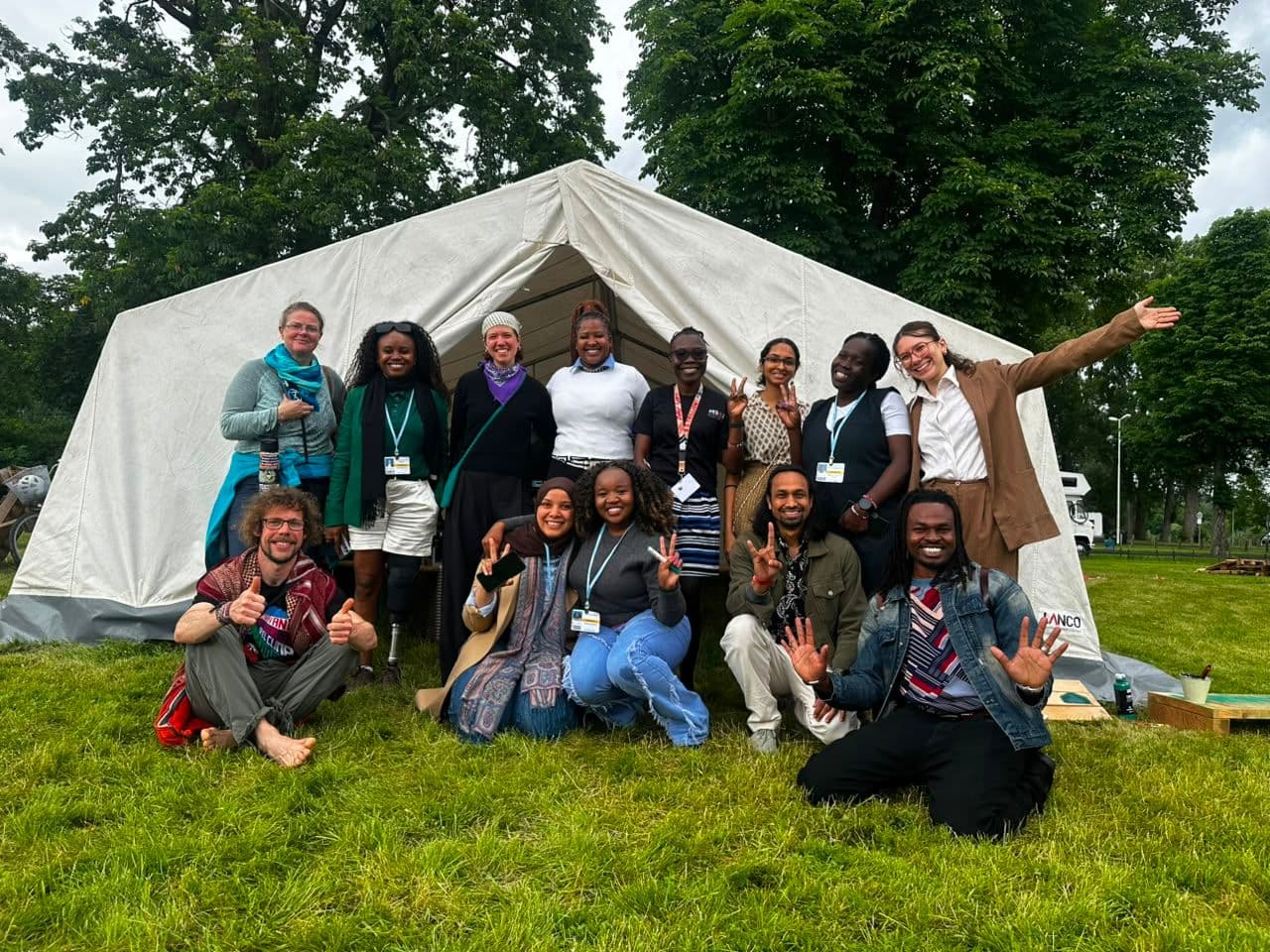
Partnership with PESAID Kenya
Disability inclusion and mental health inclusion are two sides of the same coin—they're both about ensuring climate action leaves no one behind. Through our collaboration with PESAID Kenya under the banner "Nothing About Us Without Us," we centred the voices and leadership of persons with disabilities in climate policy discussions. This wasn't tokenism. This was about reshaping what equity in climate action actually looks like.
Our Founder on the Green Economic Institute Panel
Tamara Kahuthia didn't just participate. She reframed the conversation. On a panel about climate, biodiversity, and economics, she emphasised that a healthy planet supports healthy people, and vice versa. She brought stories from the ground in Kenya—where communities are already experiencing climate impacts and the psychological weight that comes with them. And she issued a direct call to action: increased collaboration between sectors is non-negotiable.
Dialogue with Youth Leadership
This conversation with Leyla Hasanova (COP29 Azerbaijan), Marcele Oliveira (COP30 Brazil), and Sally Higgins (COP31 Türkiye) wasn't just networking. It was plotting the next phase of youth-led climate action, one that centres mental health, psychosocial wellbeing, and inclusive participation at the highest levels.
What We Learned (And What's Next)
SB64 confirmed what we suspected: the climate movement is ready to take mental health seriously. Young people, civil society organisations, and even some government representatives are recognising that climate resilience without psychological resilience isn't actually resilience.
But recognition isn't implementation. So here's what we're doing next:
1. Policy Paper on Climate Change and Mental Health
We're developing a comprehensive policy paper for Kenya's Ministry of Environment. This isn't abstract theory—it's concrete recommendations for how to integrate mental health and psychosocial wellbeing into Kenya's climate planning and implementation.
2. Amplifying Advocacy Through Key Entry Points
Action for Climate Empowerment, Loss and Damage, gender-responsive climate policy, and youth engagement are our leverage points. We're going to systematically push for mental health integration across all of them.
3. Deepening Partnerships
PESAID Kenya, YOUNGO, civil society organisations, and other strategic partners aren't just collaborators—they're co-creators of the future. We're building a network that spans sectors and movements.
4. Preparing Kenya for COP31
When COP31 convenes in Türkiye in November 2026, young Kenyans won't be absent observers. We're organising pre- and post-conference dialogues to ensure global climate discussions translate into local understanding and action.
The Real Victory
SB64 wasn't about Be Well and Green Network. It was about proving something crucial: you can talk about carbon markets and mental health in the same breath. You should talk about adaptation and psychosocial wellbeing together. Climate policy that ignores human psychology isn't sustainable; it's just delaying collapse.
The climate movement needed voices like ours. Not because we're perfect. But because the intersection of mental health, climate action, and youth leadership is where the future gets built.
We came to Bonn to listen, learn, and contribute. We're leaving with partnerships, insights, and an unshakeable conviction that our work
at the intersection of climate change and mental health is non-negotiable for the climate movement.
The next phase starts now.
Interested in the intersection of mental health and climate action? Follow Be Well and Green Network's journey as we prepare for COP31 and continue amplifying youth voices in global climate negotiations. Connect with us on Instagram @bewellandgreennetwork.org or visit our website to learn more about the Healing Minds, Healing Earth campaign.